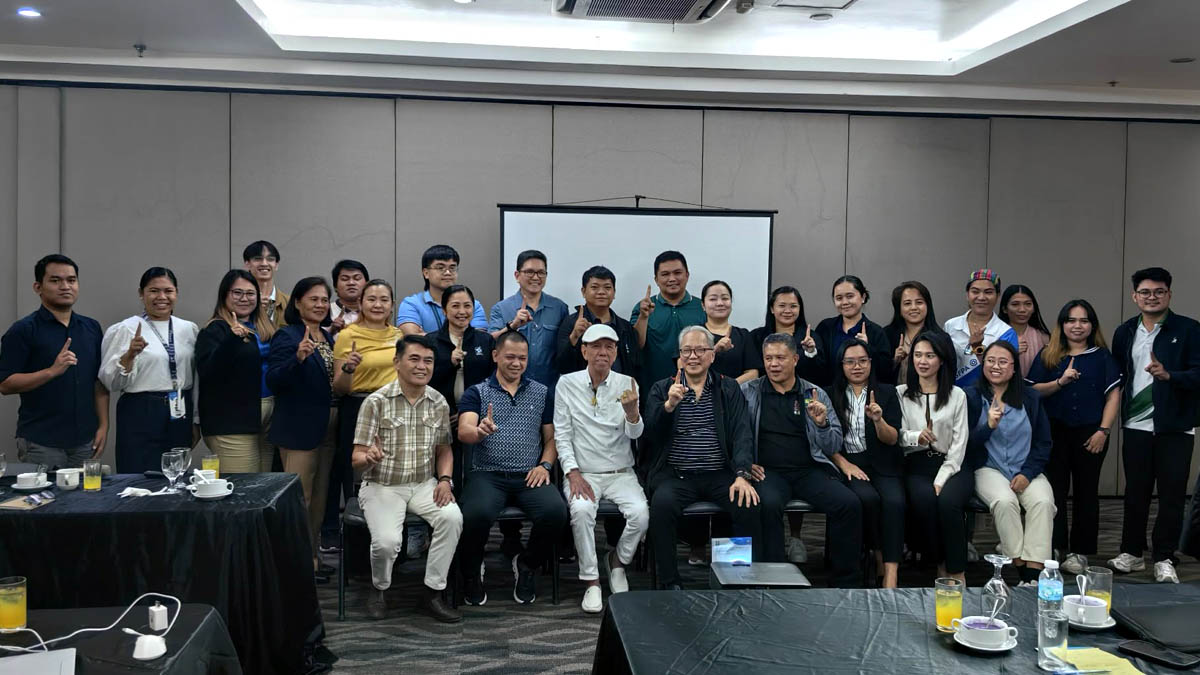
The 2026 National Sun Drying Tray Summit and Presentation of Accomplishments gathered science leaders, regional implementers, and technology partners from February 24 to 26 at La Breza Hotel in Quezon City. The three day event brought together representatives from all regional offices of the Department of Science and Technology, the National Research Council of the Philippines (DOST-NRCP), and the Office of the Undersecretary for Regional Operations (OUSECRO). Hosted by the DOST Regional Office II in Cagayan Valley, the summit underscored strong interregional collaboration in advancing postharvest technologies for Filipino farmers and fisherfolk.
At the center of discussions was PORTASOL, short for Portable Solar Dryer, developed by Mr. Francisco Popoy Pagayon. Originally designed for drying palay, the technology has evolved with the support of DOST to accommodate nearly all types of farm produce, including corn, coffee beans, cacao, fish, and high value crops. According to Mr. Pagayon, what began as a solution for rice farmers has expanded into a versatile system that responds to the varied drying needs of agricultural and fishery communities.
PORTASOL offers a hygienic and enclosed drying facility powered by renewable solar energy. Unlike traditional open sun drying methods that expose produce to dust, animals, sudden rain, and uneven heat, the system provides controlled airflow and protection from contaminants. This results in better product quality, improved food safety, and reduced postharvest losses. Its portable design also allows farmers and fisherfolk to deploy the unit in different locations, making it adaptable to community based operations and small scale enterprises.
The first two days of the summit were dedicated to regional accomplishment reports, deployment updates, and sustainability plans. Regional offices presented data on the number of units distributed, beneficiary profiles, training activities conducted, and income improvements observed in pilot communities. Discussions also tackled operational challenges such as maintenance concerns, site selection, weather variability, and strategies for strengthening local ownership. Mr. Pagayon actively engaged with participants to address technical issues and gather feedback for further refinement of the technology.
On the final day, participants conducted a project visit within the National Capital Region to observe PORTASOL in actual operation and to engage directly with beneficiaries. Farmers and processors shared testimonies on how the technology improved drying time, reduced spoilage, and enabled them to command better prices in the market due to higher quality produce.