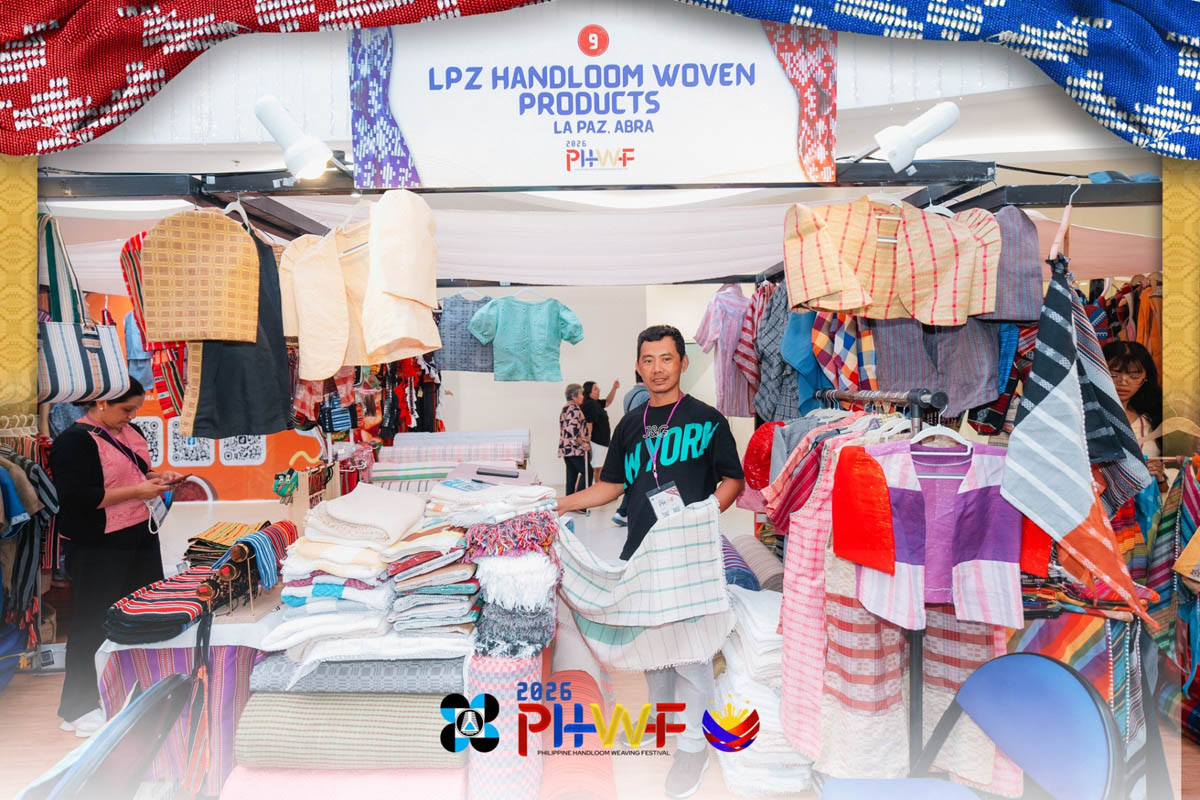
Weaving has long been closely associated with Filipino women, but across the country, Filipino men are also helping to preserve the craft, carry forward indigenous traditions, and build livelihoods through local handloom weaving.
According to the Department of Science and Technology Philippine Textile Research Institute (DOST-PTRI) DigiTELAzation’s SalinHabi Mobile App, an online registry of local weavers and authentic indigenous textiles, men account for 14 percent, or 179, of registered weavers nationwide as of 18 September 2026.

Through its #WeMenWeave program, DOST-PTRI, seeks to recognize and support Filipino men in the weaving sector while challenging stereotypes that associate weaving exclusively with women. The initiative highlights a simple truth, weaving is a cultural tradition and livelihood that knows no gender.
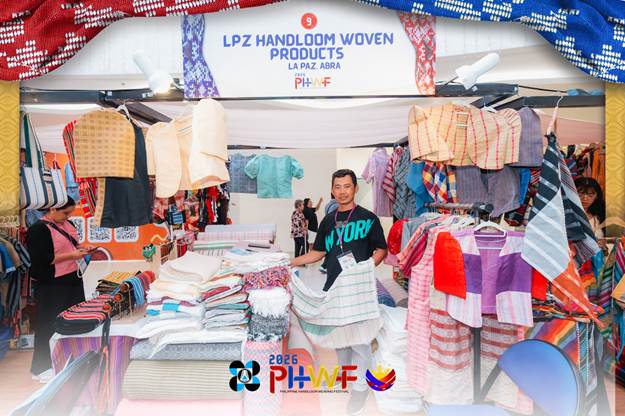
Among those carrying this message is 43-year-old Abra weaver Norman Humpay Venus of LPZ Handloom Woven Products.
Venus entered the weaving industry in 2013. Before becoming a weaver, he was a rice farmer, but the seasonal nature of farming left him with limited sources of income between planting periods. With ample time on his hands, he decided to learn weaving and help his wife, who was already engaged in the craft. He began weaving Kantarines, a traditional handloom textile from Abra and Ilocos Norte, and later learned to weave Binakol, a more intricate Ilocano weaving tradition.
Starting was not easy. Venus encountered comments from people who believed weaving was work meant only for women. Instead of letting the stigma discourage him, he continued learning the craft, determined to contribute to his family’s livelihood.
“Nung una po challenge po talaga sa akin. Mostly po kasi babae ang naghahabi. Kaya nung nakikita ng mga tao na naghahabi ako sabi nila trabaho ng babae ‘yan bakit mo sinusubukan, sabi ko gusto ko lang makatulong sa pamilya ko, hanggang sa mag-success po kami. Hanggang sa lumaki na po yung business namin nakapagpaa-aral na kami ng mga anak namin.” Venus shared.
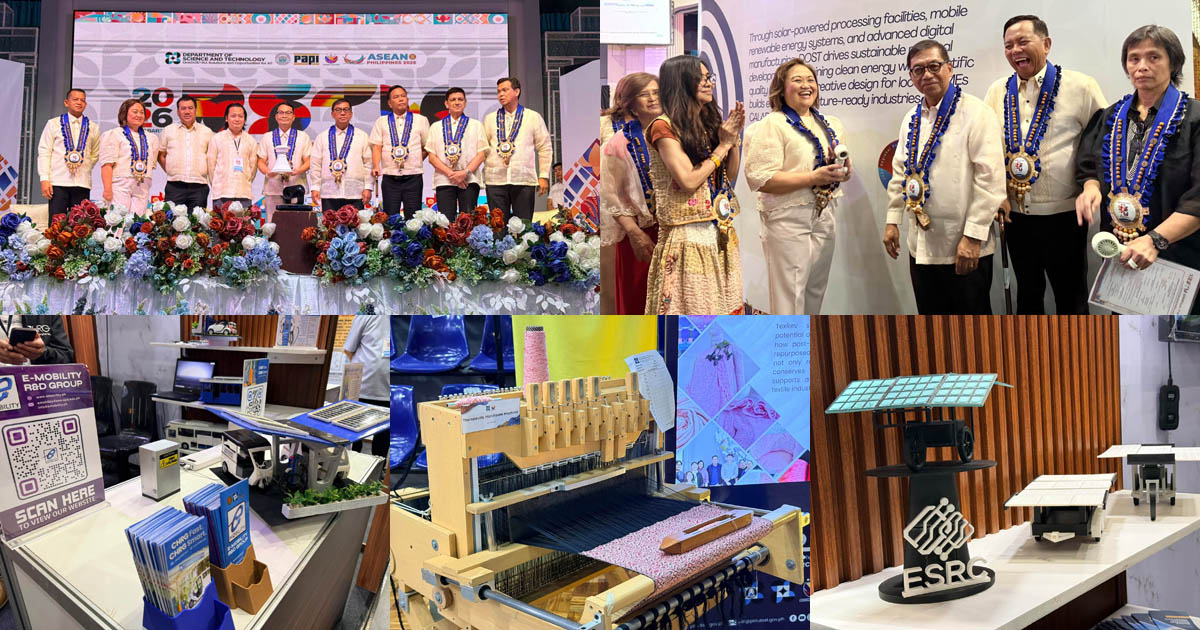
Venus has since expanded his skills through DOST-PTRI interventions. In September 2025, he trained in the use of a four-pedal handloom weaving machine, a technology introduced by the Textile Institute to improve the weavers’ efficiency and create a wider range of weaving patterns.
DOST-PTRI has also supported weavers and local entrepreneurs through the deployment of cotton-based yarns through its Philippine Cotton Weaving Movement, creating locally woven fabrics that have found their way into products developed by designers and showcased in local fashion events which Venus personally experienced.
For Venus, weaving has grown beyond a source of income. His perseverance has inspired others in his community to take up the craft, with some husbands now working alongside their wives and families continuing the tradition across generations.
His children, Louise and Philip, after whom LPZ Handloom Woven Products was named, are also learning the craft. At just 17 and 15 years old and still in senior high school, they are already weaving alongside their parents.
The story of the Venus family reflects how weaving can become more than a livelihood. It can become a bridge between generations, a source of family strength, and a way of keeping Filipino heritage alive.
This year, Venus is also taking part for the first time in the Philippine Handloom Weaving Festival, giving more Filipinos the opportunity to discover and purchase their products. The festival also features the Hinabi Textile Bazaar, showcasing local handwoven products and the rich culture, stories, and creativity behind Philippine handloom weaving.
Like Norman’s story, #WeMenWeave continues to amplify the stories of Filipino men who help preserve and advance the country’s rich textile traditions while promoting inclusivity in keeping the weaving heritage alive, highlighting that weaving knows no gender and goes beyond social norms.
For more information and inquiries about #WeMenWeave or the projects, programs, and services of DOST-PTRI, you may contact PTRI at [email protected] or reach out through their official social media accounts at DOST-PTRI on Facebook.